
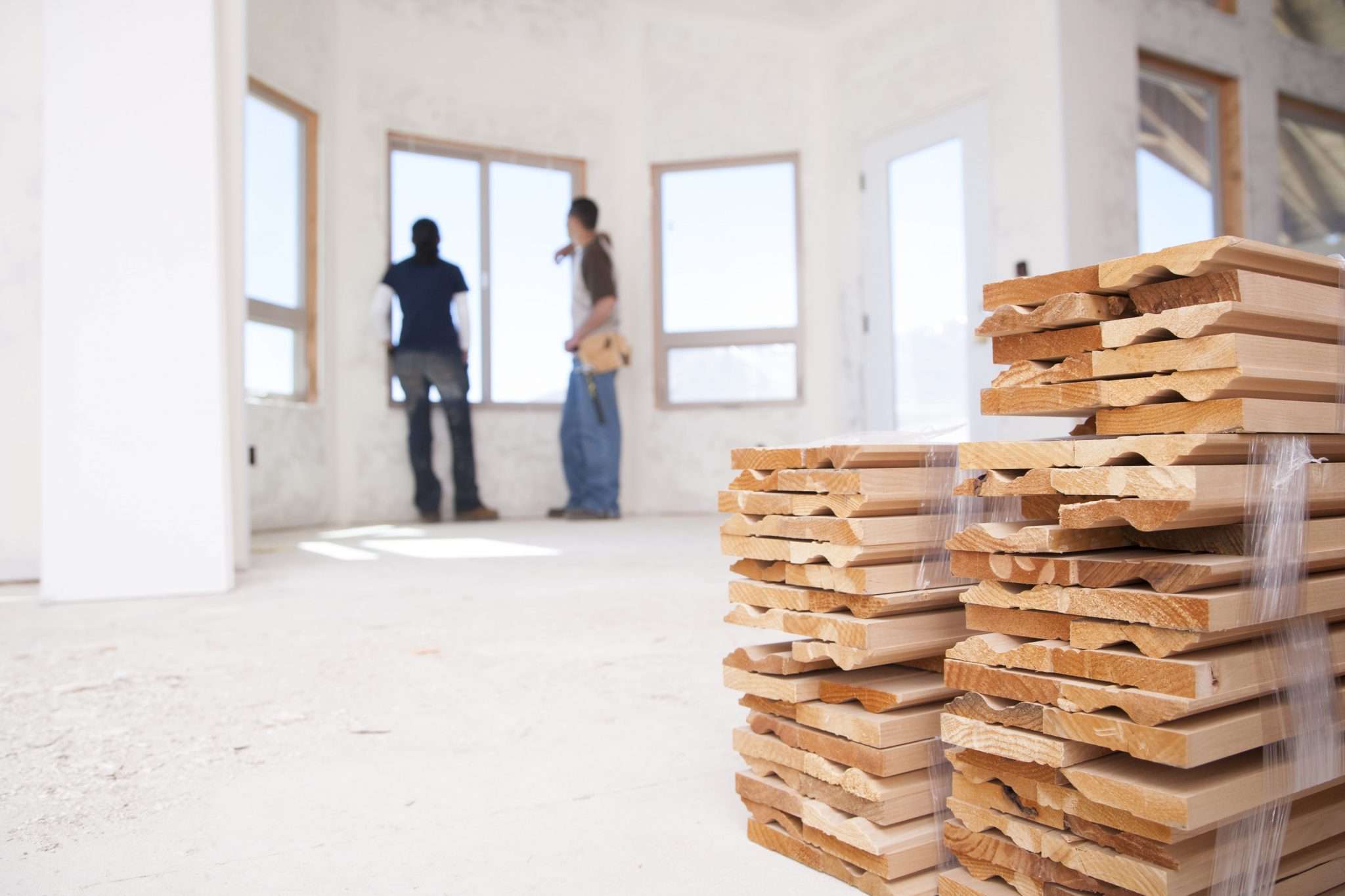
When you’re renovating or building a healthy home, it’s natural to assume the materials being used are safe. In reality, many standard building products release chemicals into your home for months, sometimes years after installation.
This process, known as off-gassing, is one of the biggest contributors to poor indoor air quality. In modern homes, which are often tightly sealed for energy efficiency, these pollutants can build up with nowhere to go.
As a building biologist, I work with clients in Melbourne and beyond to reduce these exposures and create healthier indoor environments. This guide brings together the most important material and design choices to focus on when building a healthy home, without overwhelm.
You don’t need to change everything. But some decisions have a much bigger impact than others.
Table of Contents
Why Building Material Choices Matter for Your Health
We spend up to 90% of our time indoors. That means the materials used in your walls, floors, cabinetry, and finishes directly affect the air you breathe every day.
Many modern building products, particularly those introduced over the last 50–70 years contain synthetic chemicals that haven’t been extensively tested for long-term health effects.
From a building biology perspective, we apply the precautionary principle: if there is evidence that a material may impact health, it’s worth choosing a safer alternative where possible.
This becomes even more important for children, people with sensitivities, and anyone spending long hours at home.
The Non-Negotiables — Where to Start
If you focus on nothing else, these are the areas that will have the greatest impact on building a healthy home environment.
Paints and Finishes
Specify zero-VOC (zero Volatile Organic Compounds) or natural mineral-based paints wherever possible.
Conventional paints can off-gas for extended periods, particularly in enclosed spaces like bedrooms. Choosing low-tox alternatives significantly reduces this load from day one and improves your indoor air quality.
Flooring
Avoid vinyl, laminate, and synthetic carpet where possible.
Instead, opt for timber, polished concrete, or natural fibre rugs. These materials are more stable and generally emit fewer chemicals over time.
High-Quality Wall Wraps
Wall wraps are an often-overlooked component of healthy building design but can play an important role in moisture management, condensation control, and overall building performance. Low-quality or poorly installed wraps may contribute to trapped moisture and reduced breathability within wall systems.
A well-designed wall system helps support durability, indoor comfort, and mould prevention over the long term.
Window Frames and Glazing
Windows play a much bigger role in building a healthy home than most people realise. They influence ventilation, condensation, mould risk, temperature regulation, and overall indoor comfort.
Preferred options for frames are timber or composite window frames or thermally broken aluminium systems for improved energy efficiency. Double glazing for thermal comfort and insulation and low e-glazing to reduce heat transfer.
Thoughtful window and glazing selections can significantly improve comfort, reduce moisture issues, and support a healthier indoor environment overall.
Cabinetry and Wood Products
Particle board and plywood are among the top sources of off gassing. Always request formaldehyde-free MDF, plywood, and joinery labelled NAF (No Added Formaldehyde) MDF, Super E0 or ultra low emission MDF.
Standard engineered wood products often use chemical binders that continuously release formaldehyde, a known irritant into your home. It is good practice to always ask about the formaldehyde content when buying wood products.
Solid timber is the premium option for cabinetry and furniture for healthy homes but can be cost prohibitive. Formaldehyde-free wood products other alternatives can help with cost. And if you can’t avoid formaldehyde completely, airing out before installing can be useful.
Sealants and Adhesives
Adhesives are one of the most overlooked sources of indoor pollution and undermines your efforts to building a healthy home.
Ask for low-VOC or solvent-free options for flooring, tiling, and cabinetry installation.
Insulation
Consider natural insulation materials such as wool, hemp, or cellulose. Other lower-tox options to consider include non-toxic polyester insulation or products such as Earthwool, which use no added formaldehyde binders and are generally lower in VOCs than traditional insulation products.
Some conventional insulation products contain chemical binders that can off-gas, particularly in enclosed roof or wall cavities.
Ventilation and Air Quality
Airtight homes need planned ventilation.
A mechanical ventilation system (such as HRV or ERV) helps bring in fresh air while removing stale, polluted air and can be beneficial to maintaining a healthy indoor environment.
Pest Control
Where possible, choose physical termite barrier systems instead of chemical soil treatments.
Pre-construction sprayed chemical treatments can introduce persistent pesticides into the indoor environment over time.
Nice-to-Have — The Next Level Choices
Once the essentials are addressed, these additional choices can further enhance your healthy home environment.
Wall and Floor Finishes
Natural lime renders, clay plasters, and plant-based oils are excellent alternatives to synthetic coatings and sealants.
Lighting
Warm, low-blue-spectrum lighting in the evening supports better sleep patterns — particularly important for children’s bedrooms. The use of lamps here is essential to good lighting so consider placement and power points at design stage.
Water Filtration
Installing under-sink or whole-house filtration can improve water quality by reducing chlorine, sediment, and other contaminants.
Furniture and Mattresses
Solid timber furniture or bespoke pieces are often lower in emissions than new flat-pack items.
For mattresses, natural latex or wool options are preferable to synthetic foam varieties.
For soft furnishings, opt for natural fibres like cotton, linen, or hemp.
Mould Prevention Design
Good design plays a critical role in preventing mould:
- Adequate roof overhangs
- Proper site drainage
- Ventilated wet areas
- Breathable building materials where possible
Preventing moisture issues is always easier than fixing them later.

Working with Your Builder
One of the most valuable steps you can take is setting expectations early and discussing materials with your architect and builder early in the process.
It’s also helpful to check all your preferred products and materials are included in the specifications document.
Some key questions to ask:
- What paint products are being used?
- What type of MDF or plywood is specified?
- What adhesives are used for flooring installation?
These conversations are much easier before construction begins.
Getting Expert Guidance at the Design Stage
The design phase is the ideal time to engage a building biologist.
At this stage, changes are simple and cost-effective. Once construction begins, options become more limited — and often more expensive to correct.
Through my Healthy by Design package, I work with clients to review plans, materials, and layouts from a health-focused perspective.
This helps avoid common pitfalls and ensures a healthy home environment that supports your wellbeing from the beginning.
Conclusion
Building a healthy home doesn’t require perfection — but it does require awareness.
By focusing on the most important material choices and making informed decisions early, you can significantly improve the quality of your indoor environment.
If you’re planning a build or renovation and want guidance on where to start, you don’t have to navigate it alone.
You can explore my building biology services or get in touch to discuss how I can support your project.