
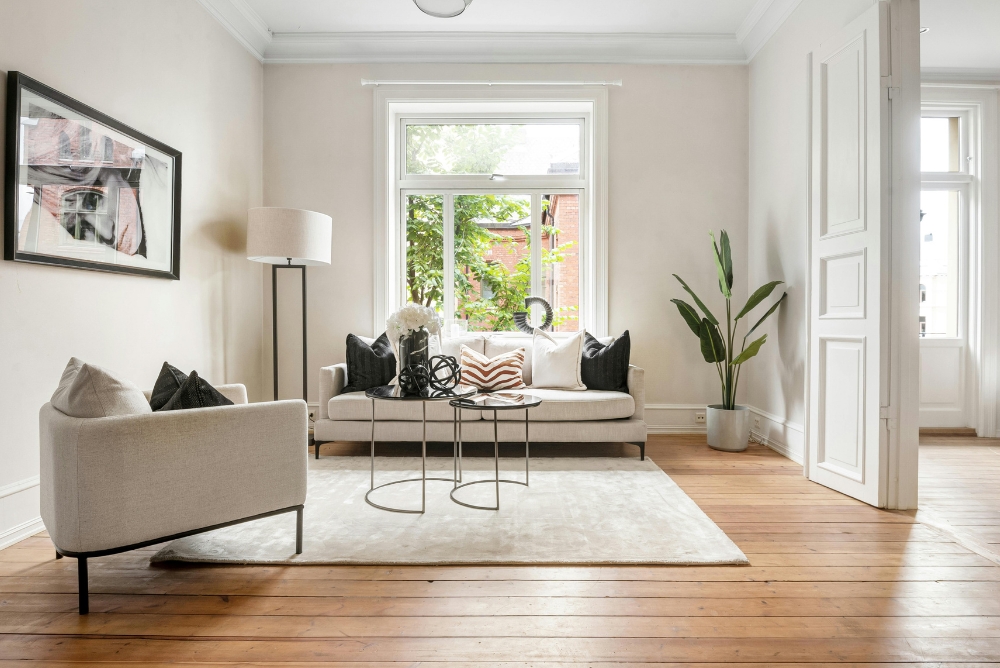
Learn how to create a healthy home for your family, what to look for, what to avoid and practical steps to reduce toxins indoors.
As parents, we often think carefully about the food our children eat, the products we use on their skin and the routines that support their sleep, development and wellbeing.
But one of the most important influences on family health is often much closer to home – literally.
Your home environment can play a significant role in how your family sleeps, breathes, feels and functions each day. From the air you breathe indoors to the materials used in your furniture, flooring, paint and cleaning products, the everyday choices inside your home can either support wellbeing or add to your family’s overall environmental load.
Creating a healthy home does not mean doing everything perfectly. It is not about fear, overwhelm or replacing everything at once. It is about understanding what matters most and making thoughtful, practical changes over time.
Whether you are preparing for a baby, raising young children, renovating, building, or simply wanting to make your existing home healthier, there are many simple steps you can take to create a space that truly supports your family’s wellbeing.
Table of Contents
Why Your Home Environment Matters for Your Child’s Health
Most of us spend a large amount of time indoors and children often spend even more time inside the home than adults. The EPA notes that people spend around 90% of their time indoors, making indoor air quality an important consideration for families.
Children are also more vulnerable to environmental factors because their bodies are still developing. They breathe more air relative to their body size, spend more time close to floors and surfaces and may be more affected by dust, mould, fragrances, chemicals and poor ventilation.
Modern homes can also contain a wide range of synthetic materials, pressed wood products, adhesives, paints, furnishings and cleaning products. Many of these can release chemicals into the indoor air, particularly when new or poorly ventilated. YourHome, an Australian Government resource, notes that VOCs are found in household products, construction materials and new furnishings, including paints, varnishes, adhesives, cleaning agents, scents and sprays.
This does not mean every home is unsafe. It simply means that our homes deserve the same level of care and attention we give to food, sleep, movement and lifestyle.
A healthier home can support:
- Better indoor air quality
- Reduce exposure to irritants and allergens
- A calmer and more restorative living environment
- More supportive sleep spaces
- Lower chemical load over time
- Greater confidence when choosing products and materials
At Wellness at Home, Building Biology looks at how the built environment affects human health, including the materials used in construction, the quality of the air we breathe indoors and the way our homes support wellbeing.
Hidden Hazards in Most Family Homes
Even a clean, well-maintained home can contain hidden environmental stressors. The goal is not to panic, but to become more aware of where these exposures may be coming from so you can make better choices.
VOC Off-Gassing
Volatile organic compounds, often called VOCs are chemicals that can be released into the air from many common products and materials. These may include paints, flooring, cabinetry, furniture, adhesives, sealants, cleaning products, air fresheners and some personal care products.
VOCs are particularly important to consider during renovations, new builds, painting, furniture purchases and nursery preparation. Some materials release higher levels when new, while others may continue to off gas at lower levels over time.
Formaldehyde in Furniture & Joinery
Formaldehyde is a common VOC found in the built environment. It can be present in pressed wood products such as particleboard, MDF, plywood, and some flat-pack furniture. The Australian Government’s YourHome resource identifies formaldehyde as one of the most common VOCs and notes that it can be present in construction materials and new furnishings.
This is why material selection matters, particularly in bedrooms, nurseries, playrooms and areas where children spend a lot of time.
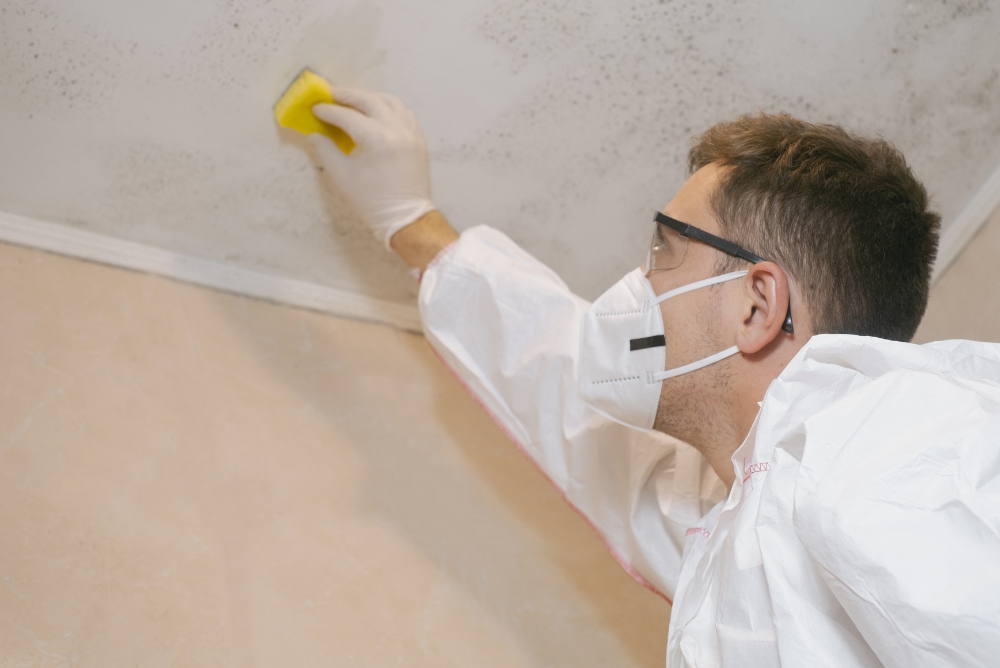
Mould and Moisture
Mould is not always visible. It may be hidden behind walls, under floors, inside wardrobes, around windows, behind furniture, in bathrooms or in areas with poor ventilation.
Dampness and mould are linked with respiratory irritation and can worsen asthma and allergic conditions. Better Health Victoria notes that mould associated with damp buildings can trigger symptoms such as nasal congestion, sneezing, coughing, wheezing and respiratory infections.
Moisture control is one of the most important foundations of a healthy home.
Synthetic Fragrances
Many homes use scented candles, diffusers, air fresheners, room sprays, fragranced cleaning products and scented laundry products to create a sense of freshness.
However, fragrance does not necessarily mean clean. Synthetic fragrances can contribute to indoor air pollution and may be irritating for people with asthma, allergies, headaches, chemical sensitivities or respiratory concerns.
A healthier approach is to focus on removing the source of odours, improving ventilation and choosing fragrance free or naturally low tox products where possible.
Dust Reservoirs
Household dust can contain more than just dirt. It may include skin cells, pollen, fibres, dust mite particles, mould fragments, soil, flame retardants, plasticisers, pesticide residues and chemicals that have migrated from indoor products and materials.
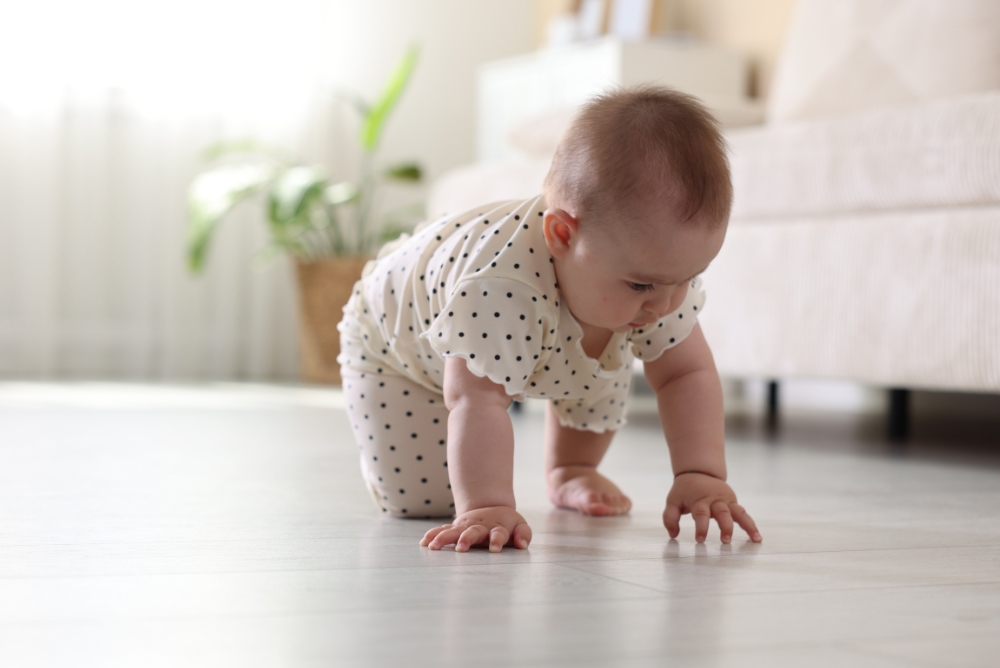
Because young children spend time close to the floor and often put their hands in their mouths, reducing dust reservoirs is an important part of creating a healthier home.
Pest Control Chemicals
Pest sprays, termite treatments and other chemical termite treatments can linger in the home environment. In some cases they may be necessary, but they should be considered carefully, especially in homes with babies, children, pets, allergies, asthma or chemical sensitivities.
Where possible, prevention, exclusion, monitoring and lower-tox approaches should be explored before routine chemical application.
Where to Start First: The Healthy Home Priorities
Creating a healthy home is much easier when you focus on the areas that make the biggest difference first:
- Air quality: improve ventilation, reduce synthetic fragrance and check for mould.
- Bedrooms: focus first on where your family sleeps and restores overnight.
- Dust and cleaning: reduce dust reservoirs and swap to lower-tox cleaning products.
- Materials and furniture: choose lower-emission options when replacing items or renovating.
- Water quality: consider filtered drinking water or whole-house filtration if appropriate.
You don’t need to do everything at once, even a few changes can make a meaningful difference.
How to Create a Healthy Home for Your Baby or Child
Setting up a Non-Toxic Nursery
Preparing a nursery can be exciting, but it can also feel overwhelming when you start thinking about paints, furniture, mattresses, flooring, bedding and baby products.
A non-toxic nursery does not need to be elaborate. In fact, simpler is often better.
Paint: Choose zero-VOC paint or a natural paint and allow time for the room to air out before your baby arrives.
Furniture: Prioritise solid timber where possible. If using new furniture, allow time for off-gassing before use.
Mattress: Look for natural materials like latex and check for chemical treatments, waterproofing layers and flame retardants. Avoid using any second hand mattresses.
Flooring: Hard flooring with a washable natural fibre rug is easier to clean and typically lower in emissions than carpet.
Soft Furnishings: Opt for natural fibres like cotton, linen, or hemp where practical.
Air Quality: Ventilation is key. A HEPA air purifier may be useful where there are allergies, asthma, dust concerns or poor outdoor air quality.
The goal isn’t perfection, it’s creating a calm, supportive environment for both you and your baby.
Already Living in Your Home? Practical Priorities
If you’re not building or renovating, there’s still plenty you can do.
Focus on Bedrooms First: This is where your family spends the most time, especially during sleep.
Ventilate Daily: Fresh air is one of the simplest and most effective changes you can make.
Swap Products Gradually: Replace cleaning and personal care products as they run out, no need to waste what you already have.
Check for Mould: Look in bathrooms, kitchens, wardrobes, and around windows.
Prioritise Progress Over Perfection: Small, consistent changes are far more sustainable than trying to do everything at once.
Building or Renovating? Choose Materials Early
If you are building or renovating you have a valuable opportunity to choose healthier materials before they become part of your home. Focus on low-VOC paints, lower emission cabinetry, hard flooring, low tox adhesives, good ventilation and moisture control.
For a deeper guide to material choice, you may also like to read: Building a Healthy Home: A Low-Tox Guide to Materials and Design
When to Seek Professional Advice
Sometimes it helps to have another set of eyes on your home, especially if you are unsure where to begin or your family is dealing with ongoing symptoms.
You may benefit from working with a Building Biologist or healthy home consultant if:
- Your child has persistent allergies, asthma or unexplained symptoms
- You are concerned about indoor air quality, mould and moisture
- You’re planning a renovation or new build
- You are choosing paints, flooring, cabinetry or finishes
- Your are setting up a nursery
- You are chemically sensitive or supporting someone who is
- You want a clear, prioritised plan rather than guessing
A Building Biology consultation can help identify potential environmental stressors and provide practical recommendations tailored to your home, your family and your budget.
If you are unsure which changes matter most in your home, a one-hour Building Biology phone consultation can help you prioritise your next steps.
This is a simple starting point if you have questions about your child’s bedroom, nursery setup, mould concerns, cleaning products, furniture, flooring, renovation choices or general indoor air quality.
As a Building Biologist and healthy home consultant in Melbourne, I can help you make sense of your options and create a practical plan that suits your family, your home and your budget. Get started on a personalised plan on how to create a healthy home.
A Healthier Home, One Step at a Time
Creating a healthy home for your family does not need to feel overwhelming.
Start with the basics:
- Fresh air
- Moisture control
- Lower-tox materials
- Thoughtful product choices and fragrance free options
- Better cleaning practices
- Healthier bedrooms
Every small change contributes to a home that better supports your family’s sleep, energy, breathing, comfort and overall wellbeing.
A healthy home is not about perfection. It is about creating a space that feels calmer, safer and more supportive for the people you love most.
Because a healthy home isn’t about perfection — it’s about creating a space where your family can truly thrive. 🌿
FAQs
What is a healthy home?
A healthy home is a living environment designed to support wellbeing by reducing exposure to pollutants, allergens, moisture, mould, synthetic chemicals and other environmental stressors. It also considers ventilation, materials, cleaning practices, water quality, comfort and how the home feels to live in.
How can I make my home healthier for my children?
Start with simple changes such as improving ventilation, reducing synthetic fragrance, checking for mould, using low-tox cleaning products, choosing low-VOC paints and focusing on healthier bedrooms. These small steps can reduce your family’s overall environmental load.
What should I avoid in a baby nursery?
In a nursery, try to avoid strong paint fumes, synthetic fragrances, new furniture that has not been aired, heavily treated soft furnishings, poor ventilation and unnecessary clutter that collects dust. Focus on low-VOC paints, natural fibres, good airflow and lower-emission furniture where possible.
Are low-VOC paints worth using?
Yes, low-VOC or zero-VOC paints are generally a better choice for indoor spaces, especially bedrooms, nurseries and homes where occupants have asthma, allergies or chemical sensitivities. Always check the full paint system, including primers and sealers.
When should I contact a Building Biologist?
Consider contacting a Building Biologist if you are renovating, building, setting up a nursery, dealing with mould or moisture concerns, or trying to reduce allergens and chemical exposures in your home. A consultation can help you prioritise what matters most.