
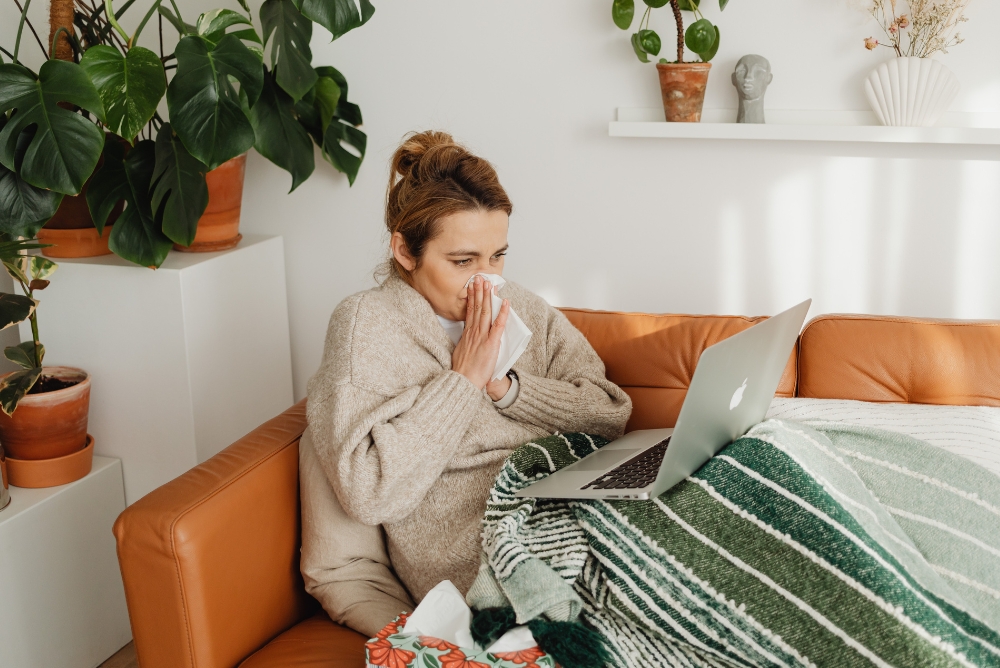
Headaches, fatigue, and allergies that won’t go away? Your home could be the cause. Learn the signs of sick building syndrome and what you can do about it.
If you’ve been feeling unwell at home with persistent headaches, low energy, worsening allergies, brain fog or that vague sense of “not quite right” and no one has been able to give you clear answers, it may be time to look beyond the usual explanations.
In some cases, the answer may relate to sick building syndrome where the indoor environment itself may be contributing to ongoing symptoms.
Your home may not be the only factor affecting your health, but the indoor environment can play a significant role in how you feel each day.
This article explains what sick building syndrome is, the common signs to look for, what may contribute to poor indoor air quality and what practical steps you can take if your home environment may be affecting your wellbeing.
Table of Contents
Is My Home Making Me Sick?
Sick building syndrome describes a pattern where people experience health symptoms that appear to be linked to time spent in a particular building, often without a single clear medical diagnosis.
For many people, symptoms may improve when they leave the building, which can make the cause difficult and frustrating to identify. The World Health Organisation recognised concerns around indoor air quality and building related symptoms in the 1980’s and indoor air quality remains an important health consideration today.
Questions worth asking include:
- Do your symptoms improve when you leave home?
- Did symptoms begin after moving house or renovating?
- Are symptoms worse in one particular room?
- Are multiple family members affected?
- Are symptoms worse in winter when windows are closed?
These patterns can sometimes suggest the building environment itself may be playing a role.
What Is Sick Building Syndrome?
Sick building syndrome is a term used to describe a situation where occupants experience health symptoms linked to time spent inside a particular building.
This may occur in homes, offices, schools or other indoor environments.
For many people, the clearest pattern is that they feel worse inside the building and better when they leave. This is why Building Biologists often ask detailed questions about a person’s home, workplace and exposure history.
Symptoms can be influenced by many factors including mould exposure, ventilation, allergens, chemicals, dust and other indoor pollutants. Sometimes, it’s not just the person it may also be the building.
Common Symptoms of Sick Building Syndrome
The symptoms can vary from person to person, but some of the more commonly reported signs include:
- Headaches
- Persistent fatigue or low energy
- Brain fog or difficulty concentrating
- Dry or itchy eyes
- Skin irritation or rashes
- Coughing, wheezing, or shortness of breath
- Sinus congestion
- Worsening asthma or allergies at home
- Frequent colds, sinus congestion, or flu-like symptoms
- Feeling better away from home
A key indicator is this: symptoms improve when you leave the building.
If you notice you consistently feel better away from home even for a short time, your home and indoor environment may be worth investigating.
Did Symptoms Start After Moving or Renovating?
Many people first notice symptoms after moving into a new home, renovating, installing new flooring, painting, replacing cabinetry or purchasing new furniture.
New materials can release volatile organic compounds (VOCs) and other chemicals into the indoor environment through a process known as off-gassing.
Potential contributors may include:
- New carpet or flooring
- Paints and finishes
- Cabinetry and engineered wood products
- Adhesives and sealants
- Flat-pack furniture
- Synthetic fragrances and cleaning products
This does not necessarily mean every renovation is unhealthy, but material selection and ventilation can make a significant difference to indoor air quality.
What Causes Poor Indoor Air Quality at Home?
Modern homes can unintentionally trap and circulate a range of environmental stressors.
According to the Australian Government, indoor air can be affected by pollutants such as dust, mould spores, smoke, combustion products and volatile organic compounds, commonly known as VOCs. Indoor air quality is especially important for people with asthma or respiratory conditions.
Common contributors include include poor ventilation, VOC off-gassing, mould and moisture, cleaning chemicals, synthetic fragrances, dust, allergens and some building materials.
Poor Ventilation
Many newer or renovated homes are designed to be more airtight for energy efficiency. While this can reduce heating and cooling costs, it can also reduce natural airflow.
When a home does not have enough fresh air exchange, pollutants can become trapped indoors, including moisture, VOCs, cooking fumes, cleaning products, pesticides, dust and mould spores.
VOC Off-Gassing
Volatile organic compounds (VOCs) are chemicals released from many common household and building products including paints, flooring, cabinetry, adhesives, furniture, synthetic fragrances and engineered wood products.
Some products release VOCs quickly, while others may continue off-gassing for months or even years.
This is why material selection matters during renovations, particularly for people with asthma, allergies, chemical sensitivities, young children and older adults.
Mould and Moisture
Mould is one of the most important indoor environmental issues to consider in Australian homes.
It may be visible but it can also be hidden behind walls, under flooring, inside roof spaces, around windows, in wardrobes or in areas affected by leaks, condensation, poor ventilation or past water damage.
The National Asthma Council of Australia notes that mould is a common allergic trigger for asthma, dust mites, pets and pollen and damp areas with mould can also encourage dust mite growth. Emerging evidence points to more issues with adverse health effects associated to the chemical stew of microbes which 24% of the population is unable to produce antibodies to. For these people living or spending time in water damaged building sets up an inflammatory response which can make them extremely unwell.
If you want to learn more see Dr Nicole Bijlsma’s “The Mould Patient” videos on her Mould resource page. The Australasian Society of Building Biologists also have a helpful download on Mould Exposure Guidelines on their website: https://www.asbb.org.au
Everyday Chemical Exposure
Indoor air quality is not only affected y building materials. Everyday household products can also contribute to the overall chemical load inside a home.
Potential contributors include:
- Cleaning sprays
- Air fresheners
- Plug-in Fragrances
- Scented candles
- Laundry products
- Personal care products
- Pesticides and pest treatments
For sensitive individuals, reducing these exposures can sometimes make a noticeable difference.
Dust, Allergens and Indoor Particles
Dust is more than just dirt.
Household dust can contain a mixture of fibres, skin cells, pollen, dust mite particles, mould fragments, soil, chemicals and particles from indoor and outdoor sources.
It can also act as a reservoir for substances released from household products and building materials, including flame retardants, plasticisers, pesticides and other endocrine-disrupting chemicals. These substances can migrate from furnishings, electronics, flooring, foams, textiles and treated materials, bind to dust particles and then be inhaled, swallowed or absorbed through everyday contact, particularly by young children who spend more time close to the floor.
For people with allergies, asthma, chemical sensitivities or those wanting to reduce their overall environmental load, reducing dust reservoirs and improving cleaning practices can be an important part of creating a healthier home.
Regular HEPA vacuuming, damp dusting, good ventilation and reducing unnecessary synthetic or treated materials can all help lower dust-related exposure.
Environmental Stressors
From a Building Biology perspective, other environmental stressors, include electromagnetic fields (EMFs), lighting, sleep environment and how the home supports overall wellbeing.
The goal is not to create fear, but to understand where the most meaningful improvements can be made.
Who Is More Vulnerable?
Anyone can be affected by poor indoor air quality, but some people are more sensitive to their indoor environments, including:
- Children (due to developing immune systems)
- Pregnant women
- Older adults
- People with asthma or respiratory conditions
- People with allergies or chemical sensitivities
- People recovering from illness
- Those who spend long hours at home (remote workers, parents, retirees)
Children, in particular, are more vulnerable because they are still developing, they breathe more air relative to their body size to adults and spend more time close to the floor where dust exposure can be higher.
Sick Building Syndrome in Australian Homes
Sick building syndrome and indoor air quality concerns are becoming increasingly relevant in Australia.
Many Australians spend around 90% of their time indoors, making indoor air quality an important part of health and wellbeing.
Modern Australian homes are often built tighter and faster than ever before, with increased use of synthetic materials, engineered wood products and reduced natural ventilation.
At the same time, Australia has seen rising rates of asthma, allergies and environmental sensitivities, particularly in children.
While many factors can contribute to these health issues, the indoor environment is an important and often overlooked piece of the puzzle.
What You Can Do if You Think Your Home is Affecting Your Health
The good news is there are practical steps you can take.
- Notice patterns: keep a simple diary noting where you are and how you feel throughout the day.
- Improve ventilation: open windows daily where practical and ensure exhaust fans are functioning properly.
- Reduce chemical load: switch to lower-tox, fragrance-free products.
- Check for mould and moisture: pay attention to musty smells, condensation and water damage.
- Review recent renovations or new furniture: consider whether off-gassing may be contributing.
- Seek professional guidance: a Building Biology perspective can help identify practical next steps.
If you feel overwhelmed or trying to work out where to begin, this is exactly where a Building Biology consultation can help.
How a Building Biology Consultation Can Help
A Building Biology consultation focuses on identifying and addressing environmental factors within your home that may be affecting your health and wellbeing.
This may include reviewing:
- Indoor air quality concerns
- Chemical and allergen exposures
- Ventilation and airflow
- Mould and moisture indicators
- Building materials and furnishings
- Possible sources of VOCs and formaldehyde
- Practical ways to reduce environmental stressors
The goal is not to overwhelm you, but to give you clear, practical and prioritised recommendations tailored to your home and lifestyle.
For many clients, a one-hour phone consultation is a helpful first step. It provides an opportunity to discuss your concerns, identify possible triggers and understand where to begin.
You’re Not Imagining It
If you’ve been wondering, “is my home making me sick?” — you’re not alone.
Your home environment can influence how you sleep, breathe, recover, focus and feel each day.
And when something feels off, it’s worth paying attention.
The good news is you don’t need to figure it out on your own.
As a Building Biologist in Melbourne, I help clients identify practical ways to create healthier, lower-tox homes.
If you would like guidance to better understand your home environment and where to begin, you can explore my Building Biology packages for Melbourne homeowners. I have a 1-hour phone consultation package that is the perfect starting point for assessing if your home is suffering from sick building syndrom.
Sometimes, the smallest changes can create meaningful shifts — especially when they’re made in the right place. 🌿